Home / Applications / Industrial Process Water Treatment

Industrial Process Water Treatment

Process Water Systems

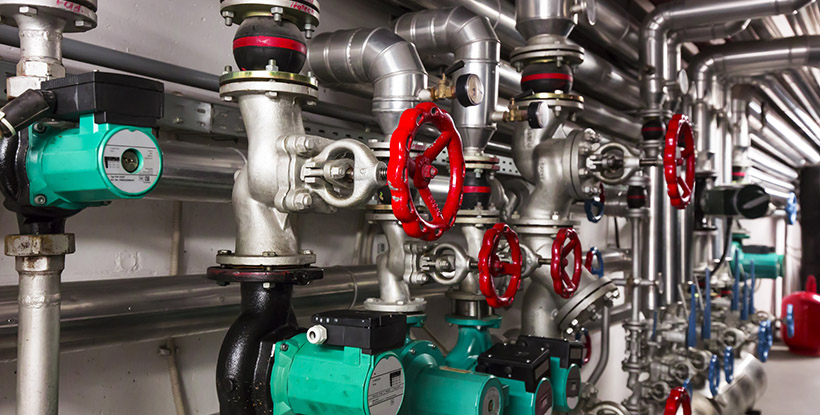
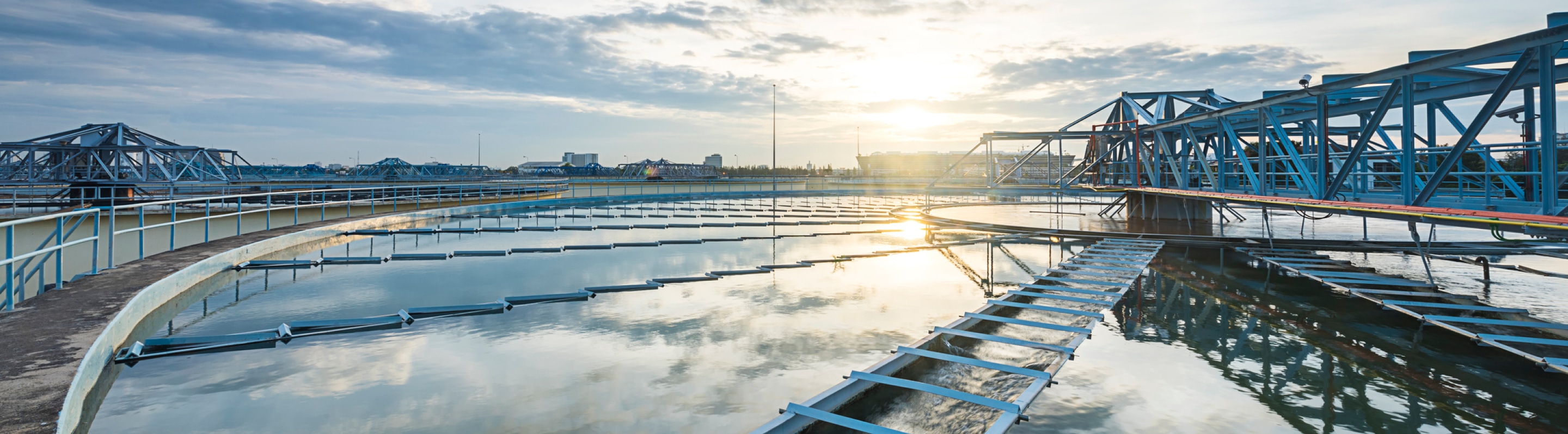
Process water is broadly defined as water used in industrial applications such as manufacturing, power generation, and food processing. It is commonly used for regulating machinery temperature, cleaning equipment, or as a component in beverage production. If left  untreated, impure process water can damage equipment, contaminate final products,  lead unplanned shutdowns or complete plant replacement.

Methodical Process Water Treatment Specialists

At WTS, we provide custom industrial process water treatment that ensures the longevity, safety, and performance of your plant.  . Our experts apply advanced technologies to develop innovative process water treatment solutions aligned with your objectives. Whether you operate an oil or gas processing train, a mineral processing facility, or an industrial chemical manufacturing plant, our process water treatments can help you optimise costs, protect your equipment, and stay within regulations. We make water from any source fit for use, reuse and discharge.

Process Water

Signs Your Process Water Systems Need Attention

Before selecting the right process water treatment program, it helps to recognise the early signs of instability. These issues often build slowly, showing up when performance worsens, maintenance problems arise, or a noticeable decrease in water quality.

  1. Cloudy or Discoloured Water: Persistent turbidity in tanks, sumps or recirculation lines can indicate corrosion, suspended solids or contamination that your current treatment is not removing.
  2. Scale and Deposits on Equipment: Mineral build up on heat exchangers, spray nozzles, piping or membranes suggests scaling conditions that require tighter control.
  3. Biofilm, Slime or Odours: Slippery surfaces, microbial growth or unpleasant odours in process circuits point to biological fouling and unstable water chemistry.
  4. Rising Filter or Membrane Pressure: Higher differential pressure, reduced flow, or falling recovery are common indicators of fouling or scaling in filtration and RO systems.
  5. Poor Thickening or Dewatering Results: Slower settling, wetter filter cake, or unstable underflow density can indicate that separation chemistry is not optimised.

How Do These Signs Affect Industrial Process Water Performance?

If these signs are left unchecked, industrial process water treatment becomes reactive instead of controlled. Here’s how those issues can affect plant reliability and cost.

  1. Reduced Process Efficiency: Scale and fouling reduce heat transfer and flow, lowering throughput and stability.
  2. Higher Energy Use: Pumps and heating systems work harder to overcome fouling, raising power and fuel costs.
  3. Increased Chemical and Cleaning Spend: More frequent cleans and unplanned dosing adjustments increase operating costs without fixing the root cause.
  4. Shortened Asset Life: Corrosion, scaling and membrane fouling accelerate wear on pipes, exchangers and filtration equipment.
  5. Unplanned Downtime: When fouling escalates into blocked lines, failed membranes, or equipment damage, systems may need to be taken offline with little notice.

Quality Variability: Changes in process water clarity or chemistry can lead to inconsistent product quality, poor separation results, or unstable process control.

Industrial Process Water Treatment: How WTS Solves the Problem

At Water Treatment Services, we stabilise industrial process water by combining tailored chemistry, fit-for-purpose hardware, and ongoing monitoring. Our programs are designed to reduce maintenance costs, optimise chemical spend, conserve water and energy, and lower operational risk.

Our process water treatment solutions include:

  • Antiscalants to prevent mineral scale in heat exchange surfaces, piping and membrane systems.
  • Corrosion inhibitors to ensure optimal plant life and prevent unplanned shutdowns
  • Coagulants, flocculants and filtration aids to improve clarification, settling and solids removal for more stable water quality.
  • Foam control agents to reduce persistent foam that disrupts transfer, separation and level control.
  • Reverse osmosis membrane treatments to improve performance, protect assets and support higher recovery where possible.
  • Specialty dewatering aids and tailings reagents to improve cake dryness, boost water return, and increase separation efficiency.
  • Onsite chlorine dioxide generation and electro bromination to strengthen microbial control where biological fouling is affecting process circuits.
  • Monitoring and optimisation support using process control and remote sensing to keep dosing aligned with changing conditions.

We’ve applied these solutions across industries such as mineral processing, oil and gas, and industrial manufacturing, preventing a range of problems. Allow us to deliver a practical, site-specific industrial process water treatment plan that improves your plants reliability and keeps production moving.

How We Solve Process Water Problems

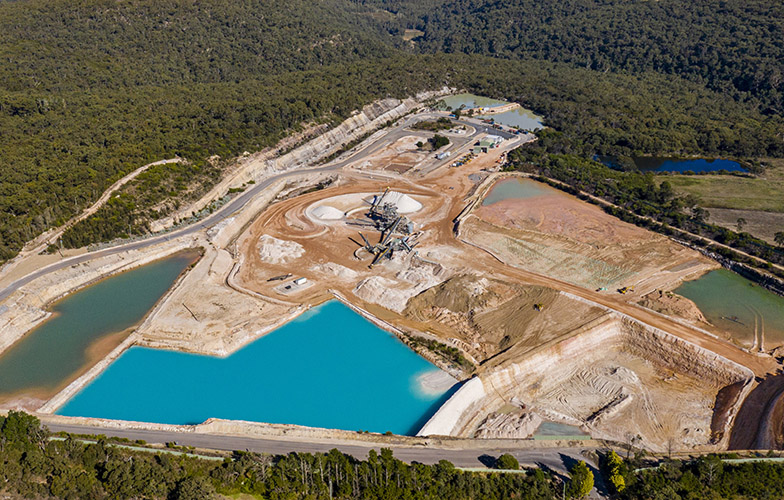
Gold Mine Process Water Scale Control Program

Client Problem: A gold mine operating a carbon-in-leach (CIL) process was experiencing severe calcium-based scaling due to high hardness and elevated pH after cyanidation. Scale build-up was reducing carbon absorption efficiency, fouling heat exchangers and cooling systems, and increasing maintenance costs.

WTS Solution: WTS implemented a phased scale control program, including system assessment, monitoring, and the introduction of a tailored antiscalant designed for alkaline, calcium-rich mining circuits.

Benefits: Scale formation was controlled across critical assets, maintenance and downtime were reduced, and CIL process efficiency was maintained with predictable, compliant chemical use.

Improved Sanitation for a Process Water System

Client Problem: A manufacturing plant processing synthetic and natural fibres was experiencing persistent biofouling in its process water system. Blocked jet nozzles, frequent filter cleaning, elevated microbial counts, and heavy reliance on hydrogen peroxide were causing downtime, safety concerns and operational inefficiency.

WTS Solution: WTS trialled a pump-and-go chlorine dioxide sanitation program, modelling the system to maintain a consistent residual throughout the process water circuit. The solution was implemented using existing dosing equipment, allowing a seamless transition away from hydrogen peroxide without capital upgrades.

Benefits:  Biofouling was significantly reduced, filter blockages and downtime decreased, and microbial counts in finished products dropped to near zero. The site improved safety and logistics by eliminating the need for dangerous goods handling.

Contact Us for Industrial Process Water Treatment

We work with you to identify what success means. Reducing maintenance costs, optimising your chemical spend, conserving water and energy, reducing overall risk.

Our experts scientifically solve your industrial process water challenges, improving the effectiveness and longevity of process equipment on (07) 4515 9300 today.

Our Industries

Who We Work With

Find out how we can solve your water treatment problems

CONTACT A WATER TREATMENT EXPERT