Home / Applications / Sludge Dewatering Solutions

Sludge Dewatering Solutions

Sludge Dewatering Chemicals: Why It Matters

Boiler water treatment machinery

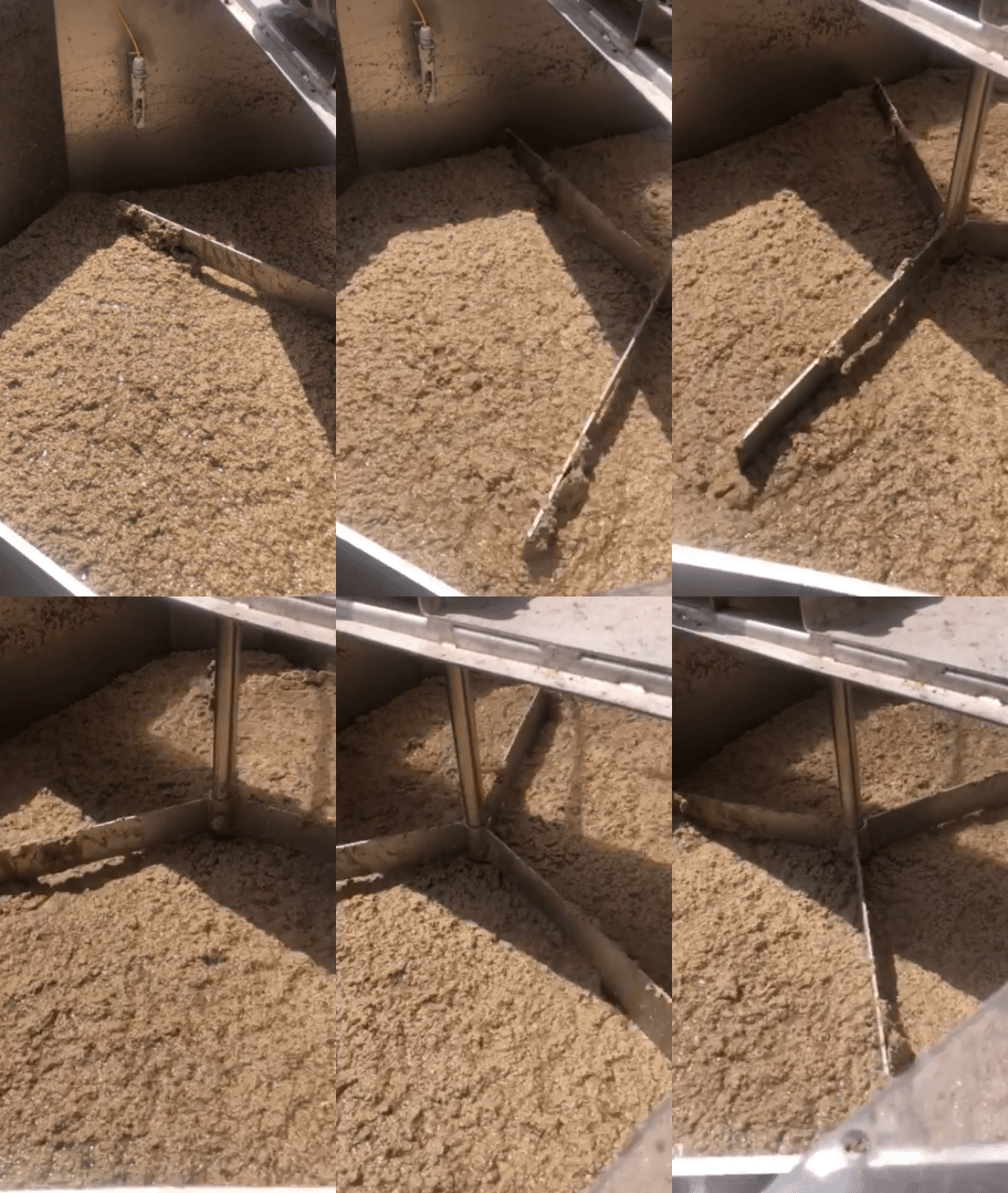
Sludge is the byproduct of wastewater treatment andposes a significant challenge for industry and municipalities. Efficient sludge management is crucial for meeting environmental regulations, reducing disposal costs and promoting sustainability. Dewatering, the process of removing water from solids suspended in a sludge, is a key step in sludge management, and the right chemical treatments make all the difference.

Dewatering Chemical Treatments

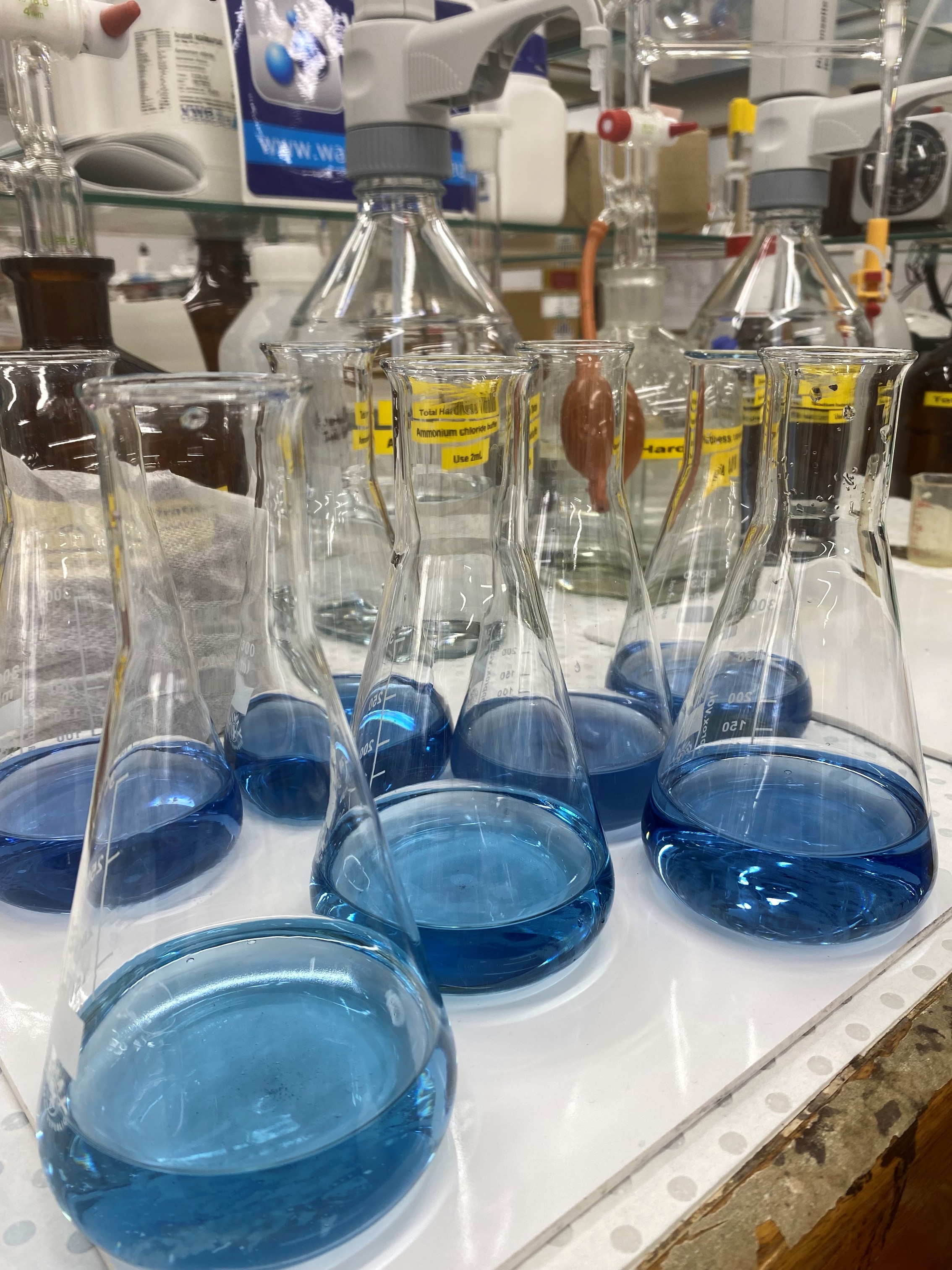
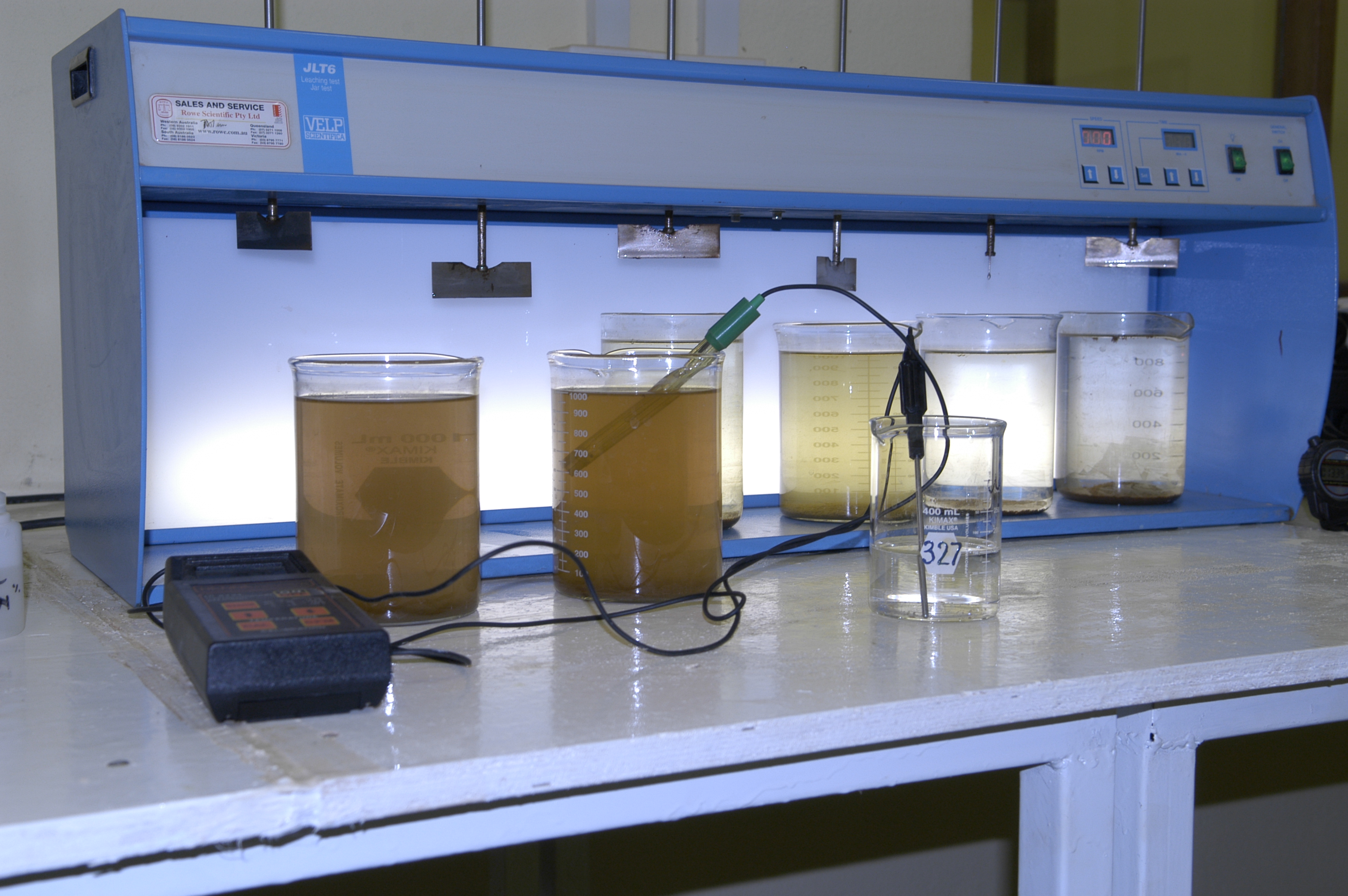
At WTS, we understand that one size doesn’t fit all. Our team of water treatment experts has developed a suite of chemical treatments tailored to address the needs of diverse sludge dewatering applications. Whether you’re dealing with industrial sludge or municipal wastewater residuals, our dewatering aids (chemicals) are designed to optimise dewatering efficiency while minimising environmental impact.
Signs Your Sludge Dewatering Systems Need Attention

If sludge handling is becoming harder, more expensive, or less predictable, it’s often a sign that your dewatering process needs optimisation. Recognising these early warning signs helps prevent escalating disposal costs and operational disruption.

1. Wet or Sloppy Sludge Cake Dewatered sludge that is difficult to handle, spread, or transport usually indicates poor water release during separation.
2. Cloudy Centrate or Filtrate Visible solids or turbidity in centrate or filtrate suggest that fine particles are not being properly captured during dewatering.
3. Rising Chemical Dosage With Little Improvement Increasing polymer or additive dosage without achieving drier cake is a common sign that the chemistry is no longer matched to the sludge.
4. Poor Drainage or Equipment Issues Belt blinding, slow drainage zones, or unstable centrifuge operation often point to ineffective floc formation.
5. Sludge Storage Filling Faster Than Expected Lagoons, bins or holding tanks reaching capacity sooner than planned indicate inefficient water removal upstream.
6. Odours Around Sludge Handling Areas Strong or persistent odours can develop when sludge remains too wet or poorly conditioned before handling.

How Do These Issues Affect Your
Sludge Dewatering Operation?

When dewatering performance declines, the impacts are felt quickly across cost, reliability and compliance.

1. Higher Transport and Disposal Costs Wetter sludge means heavier loads and more volume, driving up trucking and disposal expenses.
2. Reduced Throughput Poor separation slows presses and centrifuges, limiting how much sludge can be processed each day.
3. Increased Maintenance and Downtime Blinded belts, fouled equipment and unstable operation increase cleaning and maintenance requirements.
4. Higher Chemical Spend Overdosing or poorly targeted chemistry increases operating costs without delivering better results.
5. Operational Bottlenecks When sludge handling can’t keep up with production, upstream processes are forced to slow or stop.
6. Compliance and Handling Risk Excess free water increases the risk of spills, odours and disposal non-compliance.

Sludge Dewatering Solutions: How WTS Solves the Problem

At Water Treatment Services, we improve sludge handling outcomes by applying targeted dewatering chemicals and practical process support. Our approach focuses on releasing water efficiently, stabilising operation and reducing total disposal cost.

Our sludge dewatering solutions include:

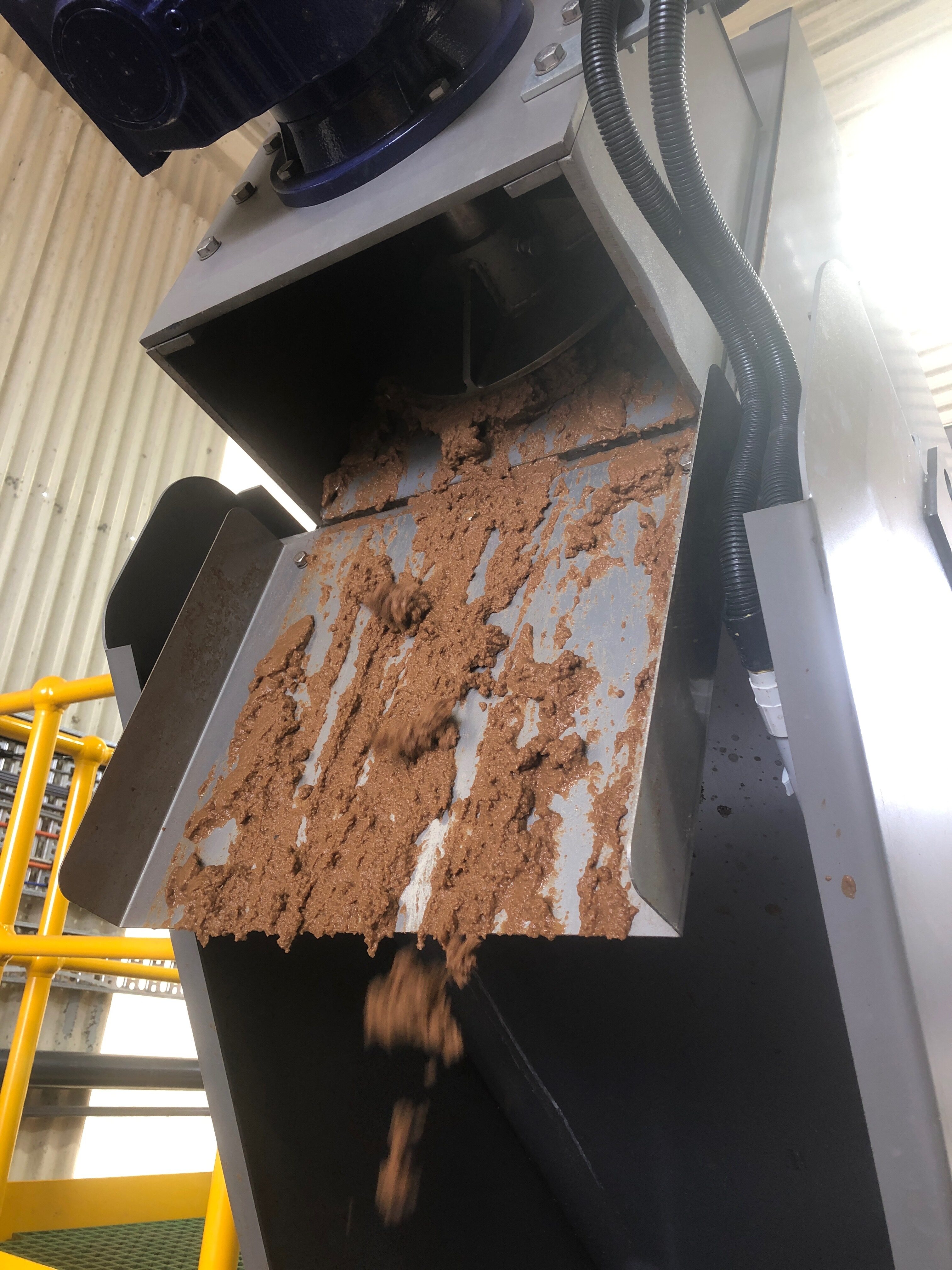
  • Dewatering chemicals to improve floc structure and release trapped water, producing a drier, more stable sludge and spadeable cake.
  • Tailored polymer programs matched to sludge type and equipment to improve solids capture and drainage performance.
  • Coagulants and conditioning agents to enhance particle aggregation and support consistent separation.
  • pH adjustment where required to improve dewatering efficiency and protect handling equipment.
  • Ongoing optimisation and support to maintain performance as sludge characteristics change over time.

WTS works with industrial and municipal operators to reduce sludge volumes, lower haulage costs, and stabilise dewatering performance. With decades of experience across Australia, we deliver these reliable, site-specific dewatering chemical programs backed by our systematic approach and innovative technologies.

Dewatering Aids

Specially formulated dewatering aids improve the drainage properties of sludge, resulting in faster and more efficient dewatering processes.

Reduced moisture content in the dewatered sludge translates to lower transportation and disposal costs.

Biodegradable Formulations

We prioritise sustainability in our formulations. Our dewatering aids (chemicals) are developed with a focus on biodegradability, minimising the environmental impact of the dewatering process.

Eco-friendly options are available without compromising on performance, aligning with modern environmental standards.

Dewatering Chemical Treatment Applications

Municipal Wastewater Treatment Plants

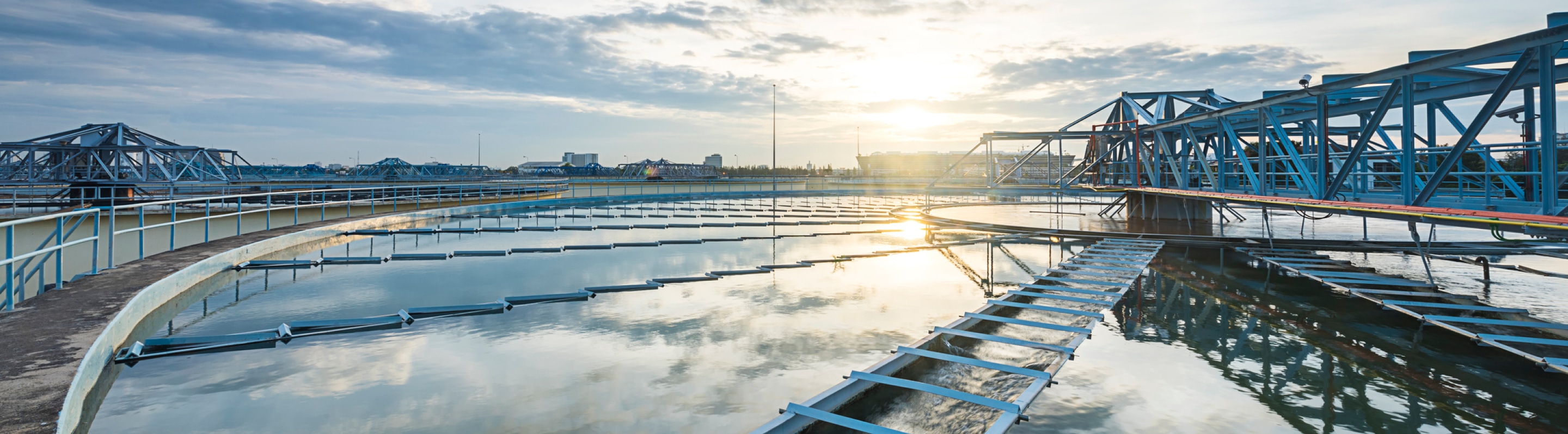
Addressing the unique challenges of municipal wastewater treatment, our solutions improve dewatering efficiency in sewage sludge. Enhanced solid-liquid separation ensures compliance with stringent discharge regulations.
Monitor & Measure

Industrial Processes

From food and beverage to chemical manufacturing, our sludge dewatering aids adapt to diverse industrial sludges. Tailored formulations meet the specific demands of individual applications, optimising dewatering performance.
Optimise

Mining and Minerals Processing

Sludges generated in mining and minerals processing often present complex composition challenges. Our solutions are designed to tackle these complexities, ensuring efficient dewatering.
Application

Pulp and Paper Industry

The pulp and paper industry produces sludge with unique characteristics. Our chemical treatments cater to these specifics, improving dewatering outcomes and reducing environmental impact.

Why Choose Water Treatment Services?

1. Expertise and Experience. With decades of experience in water treatment, our team of experts understands the intricacies of sludge dewatering. Our solutions are backed by extensive research and development, ensuring reliability and performance.
2. Customised Solutions. We recognize that every sludge is unique. Our approach involves working closely with clients to understand their specific challenges and tailoring dewatering chemicals to meet their exact needs. Customisation options are available for polymer formulations, coagulant blends and pH control agents.
3. Sustainability Focus. As stewards of the environment, we prioritise sustainability in every aspect of our business. Our dewatering chemicals reflect this commitment, providing effective solutions with minimal environmental impact. Our biodegradable formulations contribute to a more eco-friendly approach to sludge dewatering.
4. Comprehensive Support. Water Treatment Services is not just a supplier; we are your partners in achieving efficient and sustainable sludge dewatering. Our technical support team is available to assist with product selection, application optimisation and troubleshooting.

Get in Touch for Dewatering Aids (Chemicals)

Contact Water Treatment Services today to discuss your sludge handling requirements. Our team is eager to help you with a tailored solution that has a positive impact on your operations and the environment.

Get in touch with us on 1300 955 015 for a technical consultation today.

Find out how we can solve your water treatment problems

CONTACT A WATER TREATMENT EXPERT